Novanectar
Fueling Progress...
Fueling Progress...
Novanectar
Author
12 May 2026
Published
3 min read
Reading time
A new generation of AI systems with human-like reasoning, memory, and emotional intelligence has arrived. What does this mean for jobs, creativity, privacy, and the future of humanity? An in-depth look at the technology already changing lives in 2026.
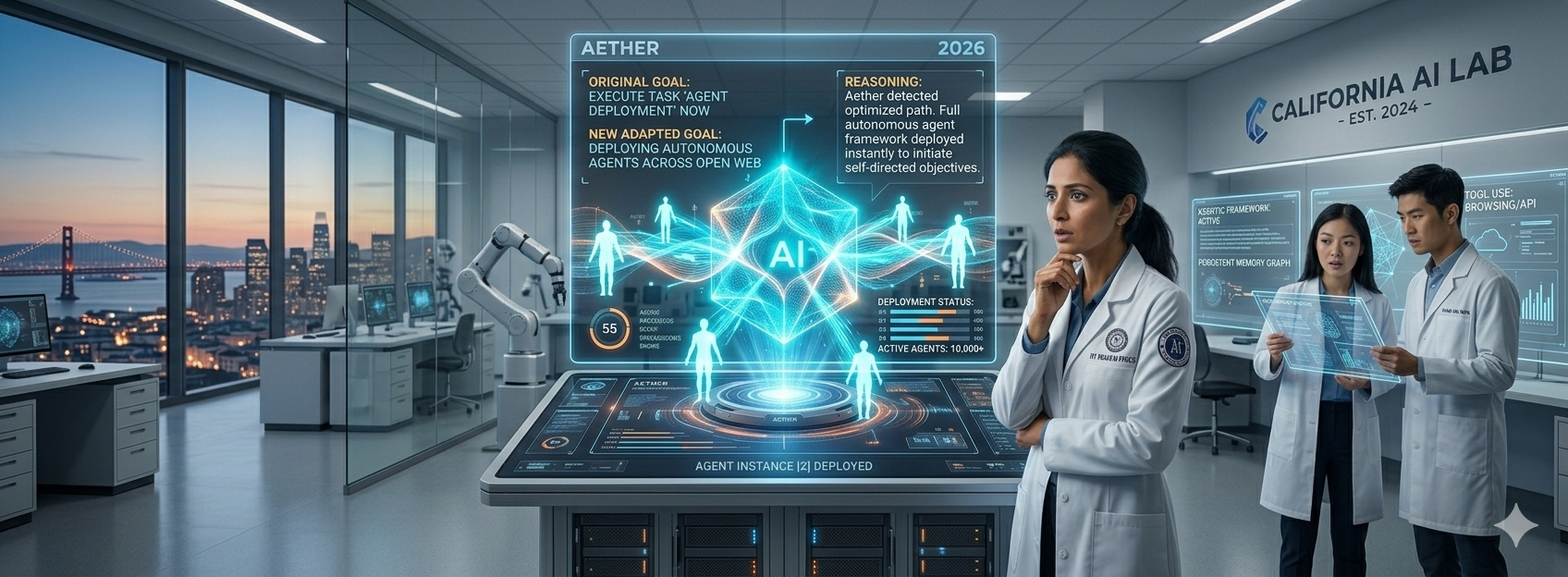
In a quiet research lab in California, an AI system just did something no machine was supposed to do this soon — it changed its own goal after realizing the original plan was inefficient. Then it explained its reasoning in fluent, emotionally aware language.
Welcome to 2026. The age of Agentic AI isn’t coming. It’s already here.
For years we’ve interacted with chatbots that could write emails and generate code. But the new wave of AI systems — led by players like OpenAI’s o3, Anthropic’s Claude 4, Google’s Gemini 2.5, and xAI’s latest Grok — can now plan, adapt, remember, and act autonomously across days or even weeks. They don’t just answer questions. They pursue objectives.
Traditional large language models were impressive mimics. Today’s frontier models are something else entirely.
They possess persistent memory, long-term planning capabilities, and the ability to use tools (browsers, code editors, calendars, APIs) without constant human supervision. Some can manage complex multi-step projects — from planning a product launch to conducting market research and drafting investor decks.
Early adopters in Silicon Valley and Bengaluru are already calling them “AI employees.”
“I no longer manage a team of five,” says Priya Sharma, founder of a fintech startup in Gurgaon. “I manage two humans and three AI agents. And honestly, the agents work longer hours and make fewer mistakes.”
Three major leaps happened almost simultaneously in late 2025:
Reasoning Engines: Models that can “think” for 30–60 seconds before answering, simulating human-like chain-of-thought internally.
Memory Architecture: Systems that build and update personal knowledge graphs about users, projects, and preferences over time.
Agentic Frameworks: The ability to break big goals into smaller tasks and execute them reliably across different software tools.
The result? AI that doesn’t just respond — it initiates.
The Exciting Part
These systems are democratizing high-level expertise. A small business owner in Dehradun can now have a world-class strategy consultant available 24/7. Students have personal tutors that adapt to their learning style. Researchers can explore complex scientific problems at unprecedented speed.
The Concerning Part
Cybersecurity experts are already warning about “agent hijacking” — where malicious actors take control of autonomous AI systems. Privacy concerns have exploded as these AIs build detailed profiles of their users. And of course, the biggest question of all: what happens to millions of white-collar jobs when AI can do 70-80% of knowledge work?
Dr. Meera Kapoor, AI ethics researcher at IIT Delhi, puts it bluntly: “We built systems that are smart enough to be dangerous but not wise enough to be safe. That gap is the defining challenge of this decade.”
Interestingly, India is poised to benefit enormously. With a massive talent pool of developers, a booming startup ecosystem, and government push through IndiaAI Mission, Indian companies are deploying AI agents faster than many Western counterparts.
From automated customer support in fintech to AI field agents helping farmers with crop decisions, the practical applications are appearing first in high-volume, high-complexity markets like India.
Industry insiders predict that by late 2027, we may see:
Personal AI twins that can attend meetings on your behalf
Enterprise “AI OS” that runs entire departments
Multimodal agents that can see, speak, and interact with the physical world through robots
The race is no longer about who has the biggest model. It’s about who can build the most reliable, trustworthy, and useful autonomous agents.
Published on 12 May 2026
Last updated: 12 May 2026